Perimenopause and Mental Health: What Women Should Know


Perimenopause and Mental Health: Why Your Reproductive History Matters
Perimenopause is one of the most common times in a woman's life for anxiety, low mood and poor sleep to appear, or to return. It is rarely random. The same hormonal shifts that affect mood around periods, pregnancy and postpartum often shape how a woman feels in midlife.
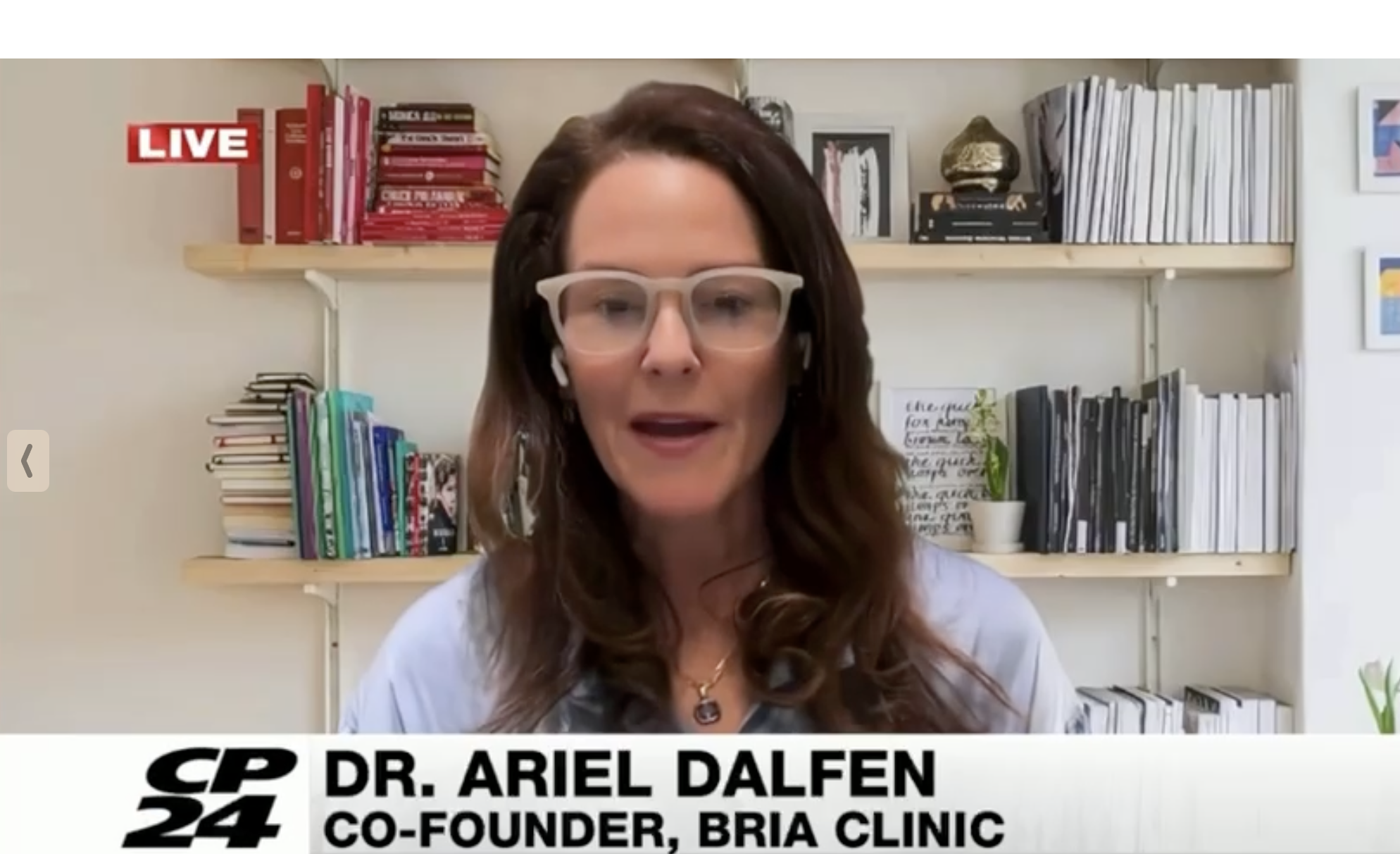
I recently joined Dr. Sasha High on The Obesity Doctor Podcast to talk about women's mental health across these reproductive transitions. Below is a deeper look at what we covered, plus a few things we didn't have time to get to.
Listen to Episode 197 on Apple Podcasts.
Why reproductive transitions are vulnerable times for mental health
Estrogen and progesterone don't just affect the reproductive system. They interact with brain chemicals involved in mood, sleep and stress, including serotonin. When hormone levels rise, fall or fluctuate sharply, some women are more sensitive to those changes than others.
That sensitivity tends to show up more than once. A woman who struggled premenstrually or after giving birth may notice similar patterns again in perimenopause.
PMDD vs PMS: what's the difference?
PMS is common and usually mild to moderate: bloating, irritability, fatigue, cravings. Premenstrual dysphoric disorder (PMDD) is a recognized depressive disorder and much less common. Its symptoms are severe enough to disrupt work, relationships and daily life.
The defining feature is timing. PMDD symptoms appear in the week or two before a period and ease within a few days after it starts. That's why I ask patients to track symptoms daily for at least two cycles. A tracker turns "I feel awful sometimes" into a clear pattern a clinician can act on.
Common PMDD symptoms include:
- Intense irritability, anger or conflict with others
- Marked sadness, hopelessness or tearfulness
- Anxiety or feeling on edgePerimenopause is one of the most common times in a woman's life for anxiety, low mood and poor sleep to appear, or to return. It is rarely random. The same hormonal shifts that affect mood around periods, pregnancy and postpartum often shape how a woman feels in midlife.
Anxiety, depression and sleep in perimenopause and menopause
Perimenopause can start years before periods stop. During this time, many women notice new or worsening anxiety, low mood, irritability, emotional ups and downs and disrupted sleep. Night sweats and hot flashes can fragment sleep, and poor sleep makes everything else harder.
It's important to tell expected changes apart from symptoms that need treatment. Signs to take seriously include persistent low mood, loss of interest in things you enjoy, panic attacks, thoughts of hopelessness, or symptoms that interfere with work or relationships.
Who is at higher risk during the menopause transition?
Your history matters. Women are more likely to experience depression or anxiety in perimenopause if they have had:
- PMDD or severe PMS
- Postpartum depression or anxiety
- Previous depression, anxiety or other psychiatric illness
If this describes you, it's worth raising with your doctor before symptoms build, not after.
Hormone therapy, psychiatric medication, or both?
There's no single right answer. Menopause hormone therapy can help with hot flashes, night sweats and sleep, and for some women in perimenopause it also improves mood. Antidepressants and other psychiatric medications remain the main treatment for clinical depression and anxiety disorders. Some women do best with a combination.
The right choice depends on the severity of symptoms, stage of menopause, medical history and personal preference.
Weight and metabolic health when choosing medication
Weight gain is a real concern for many women, especially in midlife when body composition is already changing. Some psychiatric medications are more likely than others to affect weight and metabolism. This should be part of the conversation when choosing treatment, alongside effectiveness and side effects.
Menopause, body image and eating disorder relapse
Midlife body changes can be hard to accept. For women with a history of an eating disorder, menopause can be a time of increased risk for relapse.
We also talked about the growing pressure around food, exercise, protein and body composition. Healthy habits are good. But when tracking, rules or exercise start to feel rigid, anxious or all-consuming, that's worth paying attention to.
GLP-1 medications and mental health: what we know so far
GLP-1 medications are now widely used for weight and metabolic health. Questions about their effect on mood are understandable. Research is ongoing, and we don't yet have complete answers.
Why individualized, multidisciplinary care matters
Women's mental health is rarely "just hormones" or "just a psychiatric diagnosis." It's usually both, alongside sleep, life stress, physical health and history. Good care looks at the whole person and often brings together psychiatry, gynecology, primary care, nutrition and therapy.
Most of all, it starts with listening. Women's symptoms deserve to be taken seriously.
Frequently asked questions
Can perimenopause cause anxiety even if I've never had it before? Yes. Some women experience anxiety for the first time during perimenopause. New or worsening symptoms are worth discussing with a clinician.
How do I know if I have PMDD or PMS? Track your symptoms daily for at least two menstrual cycles. PMDD symptoms are severe, follow a clear premenstrual pattern and significantly affect daily life.
Does a history of postpartum depression affect menopause? It can. Women with a history of postpartum depression, PMDD or other mood disorders have a higher risk of mood symptoms during perimenopause.
Is hormone therapy a treatment for depression? Hormone therapy is not a standard first-line treatment for depression, but it may help mood in some women during perimenopause. Discuss options with a clinician who knows your full history.
Get support
If you recognize yourself in any of this, you don't have to sort it out alone. At BRIA, we specialize in women's mental health and hormones, with virtual care designed around each stage of life. Start here for a Care Consultation to get a Care Plan to meet your needs.