
World Menopause Day: How Menopause Affects Your Mental Health and Where to Get Help

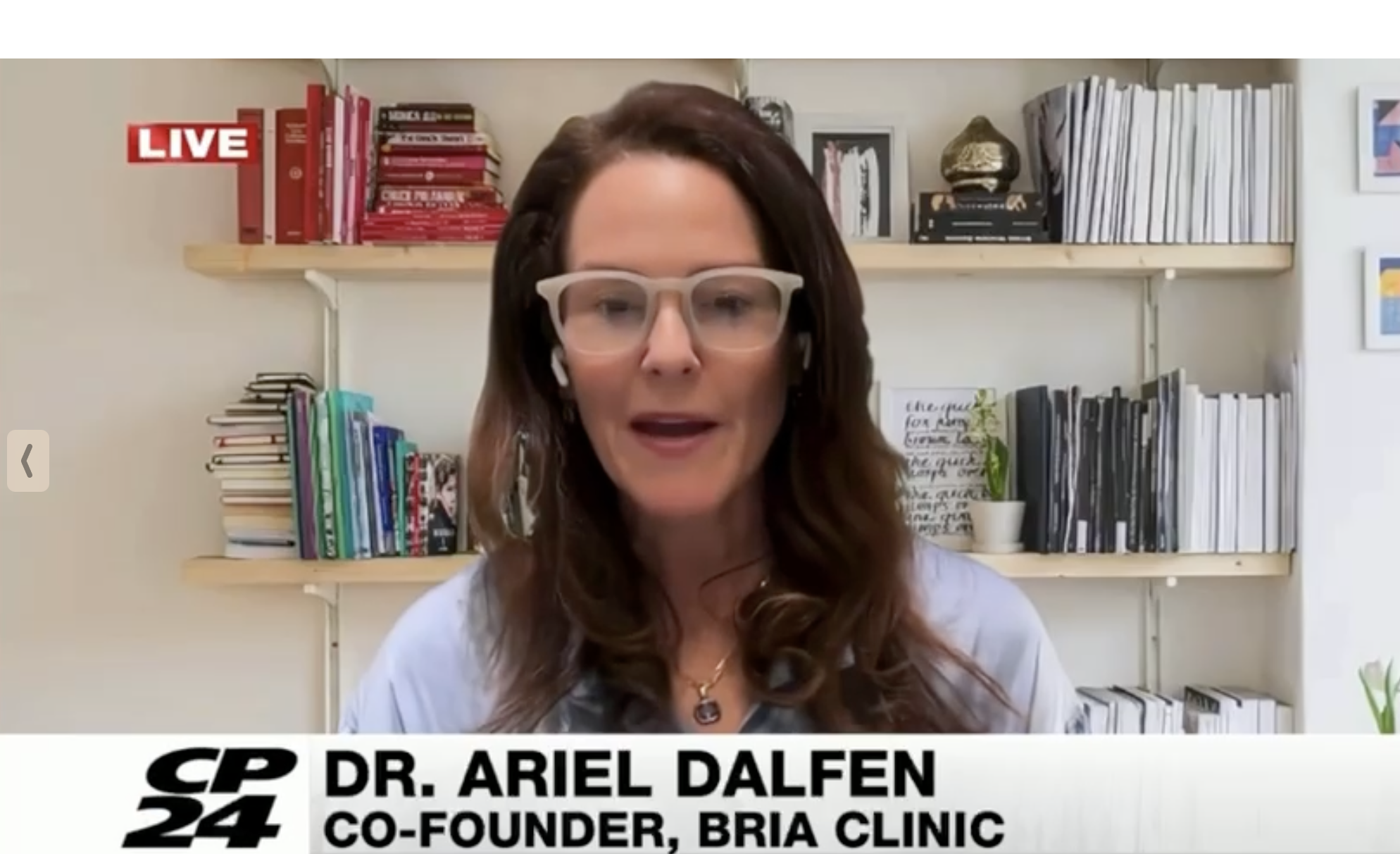
On Wold Menopause Day, I was thrilled to join CP24 to talk about what to do about menopause mental health issues.
Here's what I shared:
Mental health challenges are REAL—Symptoms such as anxiety, depression, increased ADHD symptoms, mood changes, brain fog, and feeling overwhelmed/frazzled are a major, often underrepresented part of the menopause transition, which typically starts between ages 40 and early 50s, and sometimes even in someone's late 30's. Especially for women who have had PMS or bad PMDD, or perinatal depression and anxiety, the risk of having mental health symptoms at this time are higher.
Destigmatization & Open Dialogue: Openly talking about these mental health changes on media platforms, with friends, family, partners, or healthcare providers helps break the stigma, encourages others to speak up, and makes women feel supported and validated.
Physical & Mental Symptoms: Common physical symptoms include hot flashes, night sweats, vaginal dryness, joint pain, and poor sleep, happen alongside cognitive and mood symptoms such as brain fog, depression, and anxiety. There are helpful treatments for the physical symptoms and the mental health symptoms that women experience.
Here are some helpful resources we discussed:
For women who need help in perimenopause and menopause with mental health issues: www.betterbria.com has great services.
For healthcare providers who want to help more women with mental health problems in midlife: www.briaacademy.com
For those looking for more information about Menopause: www.menopausefoundationcanada.ca
Listen to the full piece here: https://review.bellmedia.ca/view/1549792275